If you’re familiar with my broader publication of writing, you might have seen an opinion piece I wrote in which I stated my excitement for Dispatch. In this piece, I talked not only about the game’s star-studded cast but the incredible animation, how the game seemed to be thoughtfully designed around a true choose-your-own-adventure path, and how it seamlessly integrated multiple animations per choice into the game. At the time, Dispatch was still nothing more than a demo, and while I was hyped for it, I was afraid that the game might not get the attention it deserved when it came out.
This fear was obviously misplaced, as AdHoc Studio’s debut title currently sits at an Overwhelmingly Positive score on Steam with over 33,000 reviews. Not only that, but I’ve seen each and every episode’s release met with incredible praise on social media. When it came time to test the game out for myself, I ended up being glad that AdHoc removed the early-access branch for reviewers. Experiencing the hype paced out and with everyone else ended up being a great time.
If you’re reading this review, then you’re probably interested in trying Dispatch for yourself and, somehow, haven’t been convinced by the game’s incredible reception yet. Maybe you haven’t had a friend talk your ear off about it yet, or, like me, hearing too much hype about something can kind of put you off from it.
Either way, if you’re here for my critical opinion, I can save you some time: Dispatch is not only a must-play in my book, but it’s changed my opinion on its genre as a whole.
Dispatch is a choice-matter-style story game made by former developers at Telltale Games under the new company AdHoc Studios. This debut title teamed up with Critical Role to deliver a story about second chances, overcoming society’s preconceptions about who you are and what you can be, and what it means to be a real hero — all told through a pretty heart-wrenching drama that has the gall to hide itself behind the name “superhero workplace comedy.”
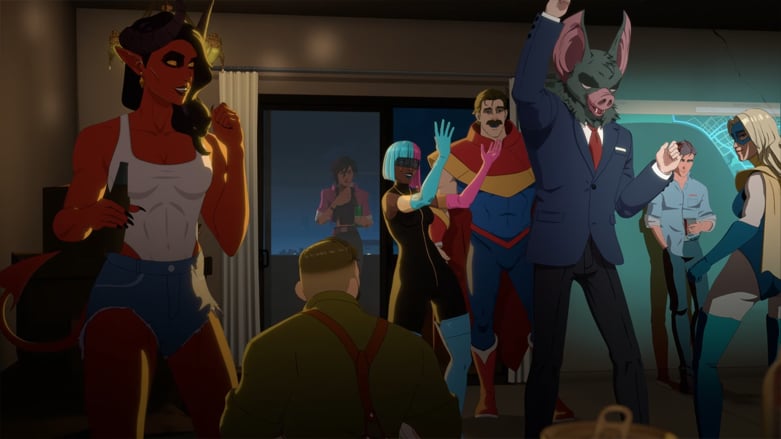
That’s not to say that the game’s comedy fails. There were certainly times when I felt it was a bit memey and a little over-reliant on “Haha funny curse words,” to the point where certain pieces of dialogue felt strange. However, much like the story’s dramatic angles, the characters written into it make the comedy work — and work really well. Dispatch is, at its core, a character-driven story. The people you meet throughout the game will charm you and continue to charm you as you expand upon their incredibly well-executed story arcs — some longer and others shorter, but all equally fascinating. Some characters have their stories buried around optional interactions or decision-based storytelling, but that’s just all the more reason to go back and replay the game.

I will say this right now: your decisions do matter in Dispatch. While it isn’t quite to the point where the game has completely different settings or endings based on what you choose, you will get dramatically different results from the characters themselves based on how you play. The story will sort of head in the same direction no matter what you choose, but with minor changes and dramatically different endings for its characters based on your decisions.
And what a story it was. Again, heavily carried by its characters, but I haven’t found myself this invested in a piece of media in so long. Dispatch absolutely captures that feeling of “just one more episode” and was generous enough not to charge players for each new episode released, unlike other, less compelling story-based games in the same genre.
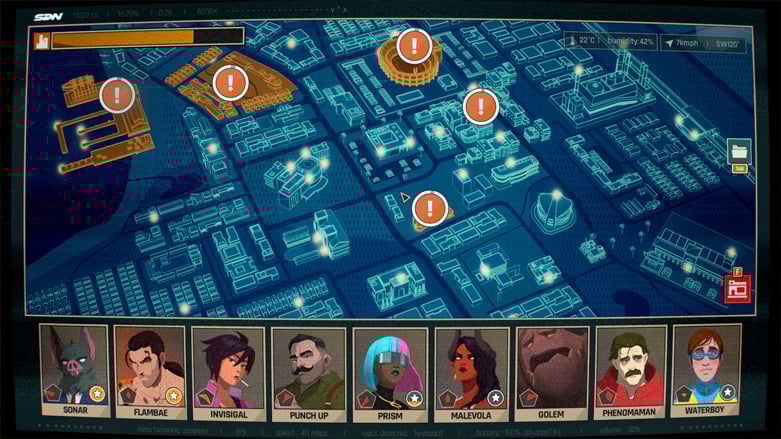
As for the gameplay elements, Dispatch is not just a decision-based cinematic experience but a hero dispatcher simulator. Each episode, you’ll sit down at your computer and send heroes out on a series of missions, with their success chance based on their unique skill sets. Heroes level up as you send them out, and secret interactions like synergies or special events trigger based on who you send to what job. Alongside this is a hacking minigame that can be a pretty brain-teasing puzzle, and quick-time events, though personally, I preferred to play with these turned off.
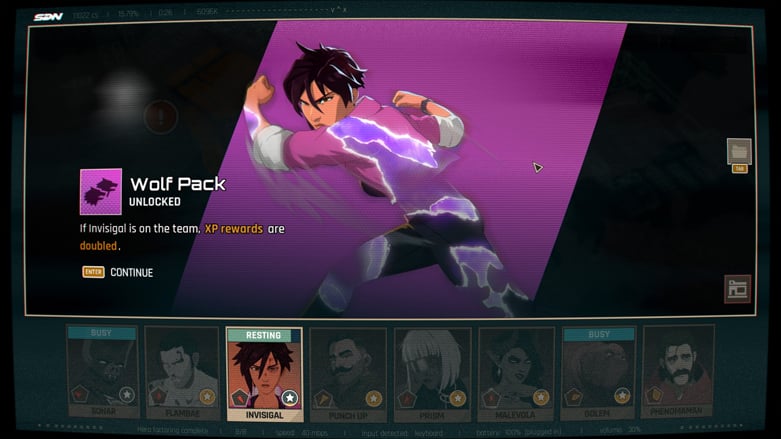
To be frank, the gameplay is fine. It’s not anything revolutionary, but fun enough and pretty unique. The dispatch segments are entertaining and caught my attention, and add enough to the game that it feels like a full game and not just an extended animation with occasional player input. This is, again, more than I can say about a lot of similar titles.
However, Dispatch has changed my opinion somewhat on its genre. Before, I have said that games like these oftentimes should just be animated shows, especially when they do very little to provide actual gameplay elements. Not only does Dispatch do this, but I would honestly have been fine if the whole game was just the animated segments and your decisions. With just how incredible everything turned out in the end and how much effort Dispatch puts into player decisions and its evolving story, I’m glad the whole thing is a video game, and I wouldn’t have taken it any other way than exactly how it is.
If you want my opinion, Dispatch has earned all of its praise and deserves even more. This roughly nine-hour experience blew me away and left me excited not only for a second season but even more games from AdHoc. This is a studio to keep your eyes on, and Dispatch may very well be my game of the year.
The Final Word
Dispatch brilliantly sets the stage for AdHoc Studios to fill the void Telltale Games left and do it better. This superhero workplace comedy is full of heart, incredible character-driven storytelling and art, and is worth all of the praise it’s received and more.
Try Hard Guides was provided a Steam code for this PC review of Dispatch. Find more detailed looks at popular and upcoming titles on our Game Reviews page! Dispatch is available on Steam and PlayStation.

Comments