
Dungeon Drafters is a game that gives me hope. Crowdfunded above and beyond the stretch goals via Kickstarter, this roguelike card-building game shows the power that passion, both from the community and developers, can have on making a great experience. In a world of Triple-A fatigue, the occasional Dungeon Drafters pops up and reminds you of why you loved games in the first place.
Dramatic intro aside, Dungeon Drafters tells the story of a world where magic is cast and encapsulated by playing cards. Created long ago by four conceptual super-beings known as the Archetypes, the world knew peace and prosperity, until a fifth Archetype, Envy, arose and challenged the original.
Though they could not defeat Envy, the Archetypes managed to seal the concept away, at the cost of their own lives. Now, the world moves on without its creators, remembering the four through stories and their magic, sealed away in the cards.
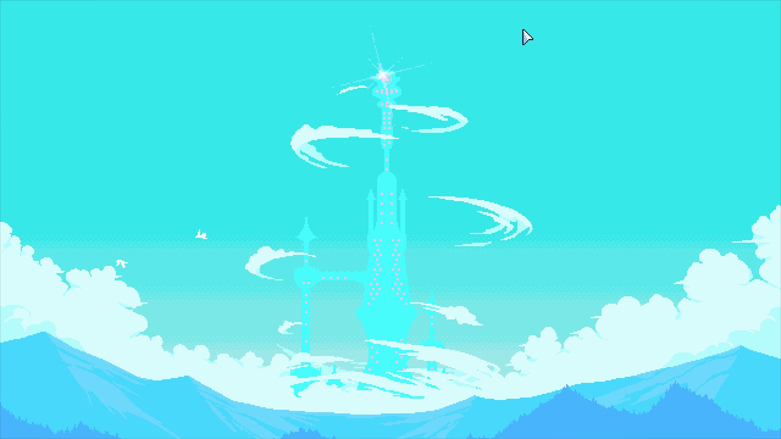
You play as a young adventurer, who after surviving a shipwreck discovers a mysterious dark tower in the far away reaches of the world. What secrets this tower holds is up to you to discover, but as we all know dark towers are never home to anything good.
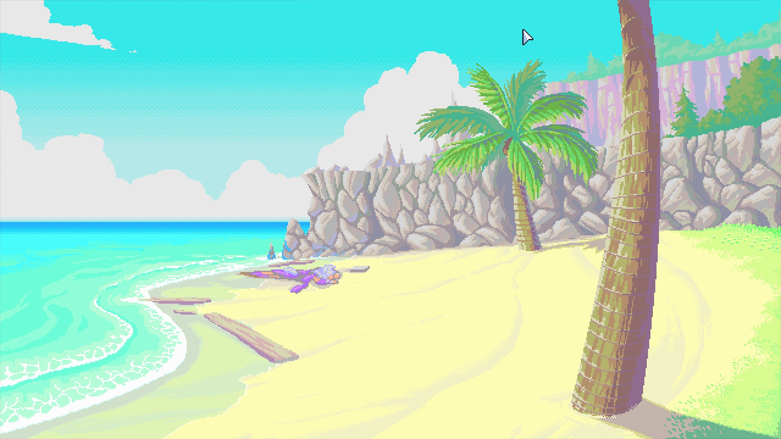
Already, the concept of “magical playing cards” had me intrigued. Far more than just an interesting piece of lore, this concept ties directly into the gameplay of Dungeon Drafters, which combines a deckbuilding card game with an adventure story.
Dungeon Drafters plays as a Dungeon Crawling, Deck-Building turn-based strategy game. On each floor of the dungeons you’ll find yourself crawling through, you’ll encounter groups of enemies set on cutting your adventure short. This will trigger combat, and seamlessly transition you from a free roam to a turn-based battle.
But it also isn’t a turn-based battle in the traditional RPG sense. You can move around the map freely, and your turn only ends when you run out of action points or you decide to skip it or end it early. It plays a lot like tabletop RPGs in that regard, so I instantly felt familiar with it.
During a turn, you have about three options for how to spend your available Action Points. Movement is basic, and moving one tile will cost one AP.
Attempting to move into the same square as an enemy triggers an attack, which trades one AP for one damage on the enemy. This is your bread-and-butter damaging strategy and is totally viable for finishing off your foes without the use of a card. Most smaller enemies will have one HP anyway, making regular attacks super efficient for clearing out mobs.
Your last and most powerful use of AP is in casting Cards. Cards act like spells and are randomly shuffled into your hand from your deck at the start of each encounter, with a new card being drawn each turn.
If you’ve ever played a card game, you know where I’m going from here; Cards can be used flat out, or saved for specified situations that give additional benefits. Each card is strong on its own, but combining cards in your hand and accurately planning ahead for the future draw can create powerful combos.
Your turn ends when you run out of AP, and transitions over to the enemy. Each enemy acts one after the other, prioritizing the enemies who are closest to you in the initiative order.

To be honest, I felt like the enemy AI was kind of lacking, and that these regular battles were pretty un-challenging. Many enemies have attacks that target areas on the map rather than the player, and will continue to attack that spot even if it’s nowhere near your position. This was especially true of the bigger, more intimidating monsters like the False Dragon, who just kept spitting water balls at the right side of the screen when I was on the left.
The challenge in these smaller encounters comes from a combination of enemy numbers and your small health pool. Getting hit once or twice doesn’t feel like a big deal, until you realize that your 10-health pool, which doesn’t regenerate on its own, is getting a bit low.
This particularly becomes a challenge in boss fight rooms, which exist to punish you for not playing the previous rooms carefully.
Overall, the gameplay of Dungeon Drafters feels really solid and fun. I wish the AI on enemies was a little better, but I was able to forgive it because the levels they were present in felt more like resource management stages preparing you for the boss encounters.
The most important part of your Dungeon Drafters playthrough is going to be which character you choose to play at the start of the game. If you’re anything like me, you’re probably going to make this decision based on the appearance of the character.
I would urge against basing your decision solely off character vibes, as there are actual mechanical implications to your choice, but I would be a hypocrite.

Each character has access to a different deck, which is represented through the Archetypes they make use of. Remember them? Each character uses two Archetypes, and each Archetype has a desired playstyle represented through the cards tied to that Archetype.
It’ll take some playing around to discover which Archetypes work best for your playstyle. so I suggest playing through the first dungeon a few times with different characters.
I want to wrap up this review by talking about the art of Dungeon Drafters, but what can I really say that isn’t obvious by looking at the game’s screenshots? The game is presented in a beautiful pixel art style that makes the world and characters feel vibrant and alive.
The characters look great as full-bodied, cutscene portraits, and just as good as little sprites running around the map. It was hard not to pick my character based on appearance because each character portrays so much personality, and I was instantly hooked to the Shinobi and her big pointy ears.

Dungeon Drafter’s music is also fantastic, something that should have been obvious from the game’s first trailer. It creates the feeling of a mysterious, captivating but dangerous world, where the threat of the unknown can’t dissuade you from the promise of adventure.
The sense of mystery and call to adventure is a vibe that the game sells you on pretty easily. It’s what I felt as I played, and one that I hope persists as I continue to play in my free time.
The Final Word
Dungeon Drafters is easily one of my new favorites. The game combines engaging deck-building mechanics with a fun, vibrant magical setting to create an experience fans of ARPGs and TCGs alike can enjoy.
Try Hard Guides was provided with a PC review copy of this game. Find more detailed looks at popular and upcoming titles in the Game Reviews section of our website! Dungeon Drafters is available on Steam.

Comments