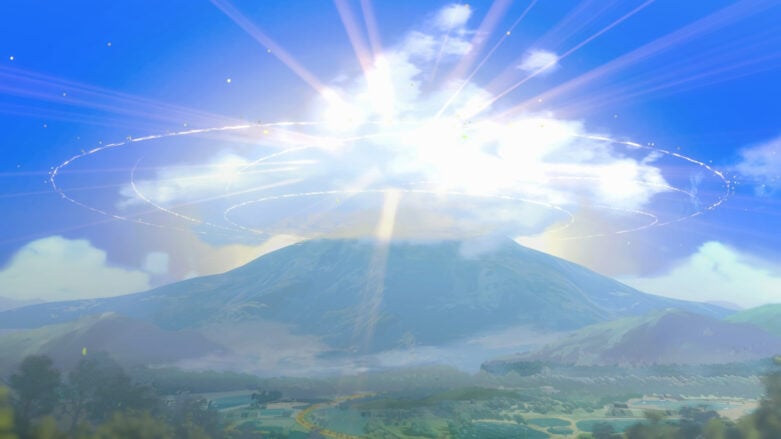
I feel like OPUS: Prism Peak could have used a warning label at the start of the game.
That’s not to say that the title is full of any triggering content, like shocking depictions of real gore or horrific violence; it is nothing that you might usually expect such a warning to precede. Instead, what appeared to be a happy, heartfelt narrative title full of sweet emotional moments came out swinging with bittersweet storytelling that seemed to place a bit more emphasis on the bitter than the sweet.
That also isn’t to say that OPUS: Prism Peak is barbaric in its melancholy. It isn’t unfair in its tragedy, much like a cruel author trying to tell a story so depressing that it ventures into the realm of outright unbelievability. Rather, it is the believability of both the bitter and the sweet in Sigono’s storytelling that really makes the narrative and themes in OPUS: Prism Peak hit hard, sometimes harder than I would’ve liked it to.
To be more specific, OPUS: Prism Peak tells the story of a man, late into his life but not yet near the end, coping with the constant rejections and failures that have plagued him. The story revolving around our main character hits shockingly close to home for many in the mid-to-later stages of adulthood, and it is one that I personally found particularly relatable, which may be why it hit me so hard to go into it blind. What works both in favor of the narrative of OPUS: Prism Peak and makes the story much more of a punch to the gut is that it doesn’t end with everything magically going right for our protagonist, but rather asks him, and us, to accept the losses of the past and find a way to pick up the pieces and move on.
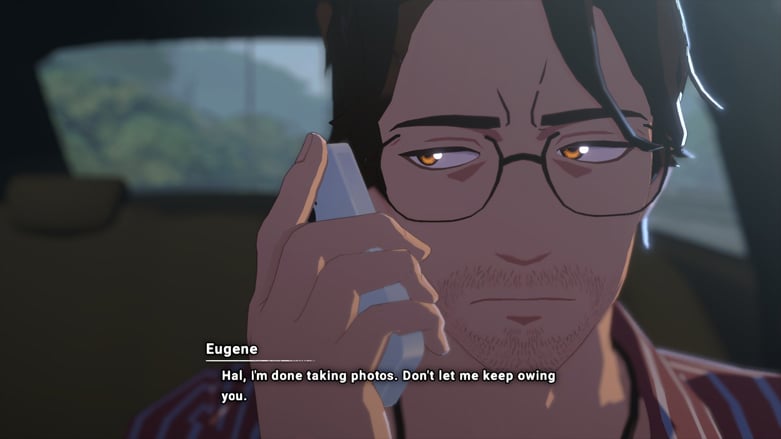
OPUS: Prism Peak follows our protagonist as he finds himself whisked away to a mysterious place called the Dusklands. Alongside a mysterious, amnesiac companion named Ren, the two travel throughout the gorgeous yet dangerous region in search of a seer who can send protagonist Eugene home and restore Ren’s memories. Along the way, Eugene uses his trusty camera and photography skills to decipher the mysteries of the region and learn more about the spirits within.
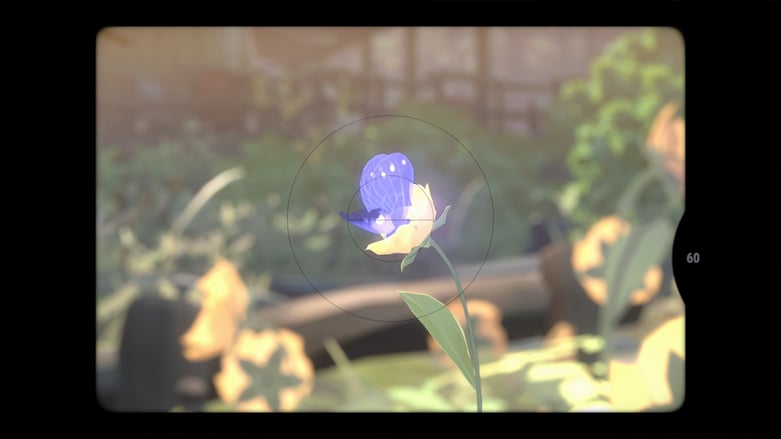
Exploration and puzzle-solving play a huge part in the mechanics of the game, with the only way to find the seer being to help restore the lost memories of the spirits you meet throughout the Dusklands. Doing so is essentially a game of riddle-solving, where the answer must be deduced through contextual clues, attention to the environment, and subtle storytelling, and then photographed and presented. Everything in the game can be photographed, with some objects being direct answers to important puzzles and some simply offering clues to the world around you. An attentive player will quickly notice that the stories being told in the Dusklands are more than merely mysterious, as they tie directly into the pasts and memories of our protagonists themselves.
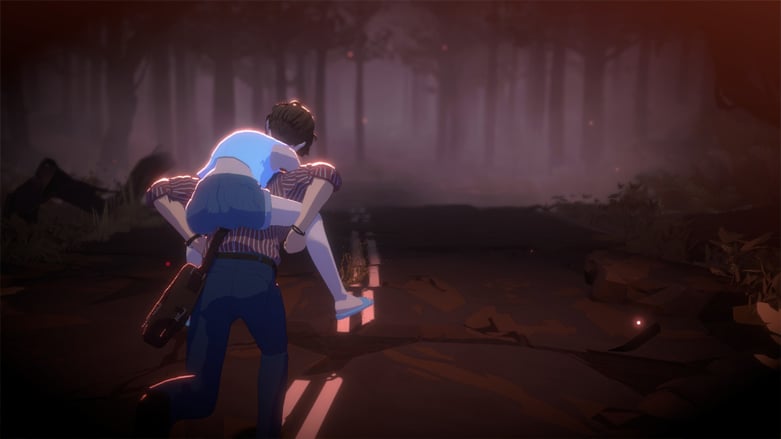
I would describe the setting of OPUS: Prism Peak as Studio Ghibli’s Silent Hill: our protagonist finds himself whisked away by a mysterious fog into a land shaped, albeit somewhat discreetly, by his memories and emotions. Though some terrifying elements make their way into the game, alongside moments of tension and real danger, I wouldn’t describe OPUS: Prism Peak as a horror title in the slightest.
Overall, I liked the direction of the gameplay in OPUS: Prism Peak. It’s a sort of puzzle-solving style that demands you pay attention to the littlest of details, and it doesn’t offer you many hints or hold your hand in the slightest (unless you specifically ask it to).
That being said, the game can be very, very overwhelming with just how much it asks you to pay attention to, and with just how much can go over your head if you miss it. When I say that the game demands careful examination of the environment and great attention to detail, I really mean it: as the default difficulty screen warns you, “You might not see everything, just like in life.”
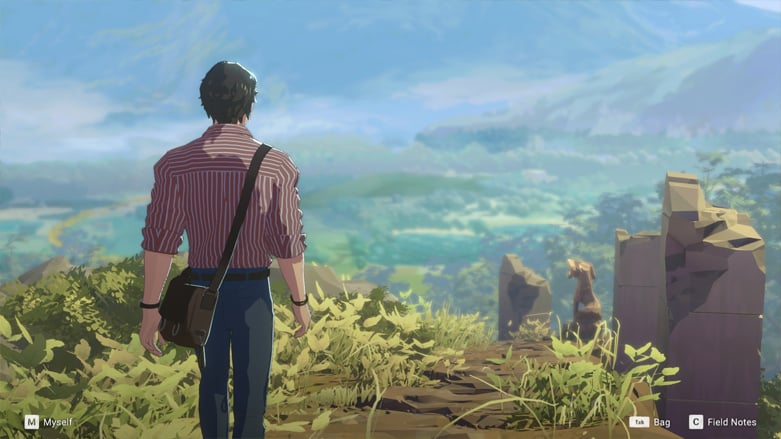
It’s clear that this overwhelming sensation, this fear of missing out on something important, and the inability to reach everything you might want to get to, was an intentional part of how the game was designed. It relates back to the themes of life and letting go of past mistakes. The game forcing you to select only a specific number of the photos you took along the way at the very end is almost more heartbreaking than anything specifically outlined in the story itself.
The game could definitely use some small quality-of-life improvements here and there. In particular, I had an issue with the game’s movement mechanics, especially when using the camera, which locks you in place when you pull it out and only releases you when you put it away. This can make lining up a shot a little annoying, and since you’re going to be using your camera a lot in this game, those little annoyances can really add up over time. Small issues are, however, small, and I didn’t see anything particularly game-breaking or extremely frustrating that really affected the experience.
The Final Word
OPUS: Prism Peak is an emotionally devastating, bittersweet work of art that takes an honest, if not always happy, look at life, past losses, and how to pick up the pieces and move on. A slow title focused on exploration and attention to detail, this game will appeal to anyone with the patience and determination to see it through, even if your first playthrough might feel overwhelming and incomplete… by design.
Try Hard Guides was provided a Steam code for this PC review of OPUS: Prism Peak. Find more detailed looks at popular and upcoming titles on our Game Reviews page! OPUS: Prism Peak is available on Steam and the Nintendo Switch.

Comments