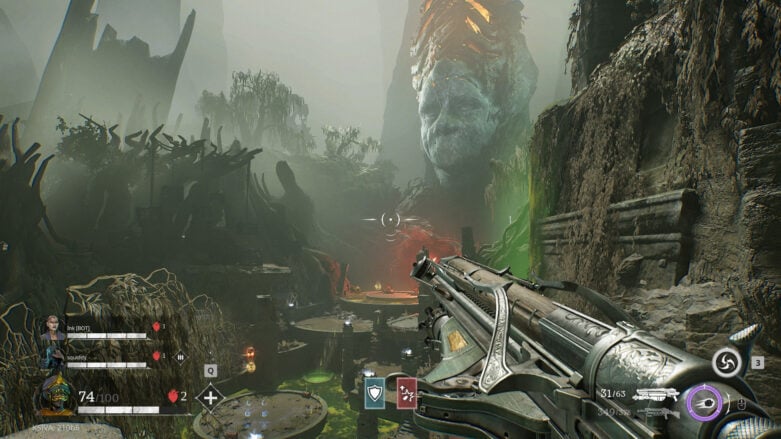
Painkiller is quite the controversial title.
If you’ve taken a look at the game’s mixed Steam reviews, this should come as no surprise. The game is, and I think somewhat unfairly, buried beneath a large number of negative reviews, but these negative reviews vary between people who were expecting the game to be something else and those who had no expectations and genuinely criticize the title for the flaws it does have. This can make it a little confusing for the average player to navigate the Painkiller review sphere, so I hope in this review to make it clear to both returning fans of the classic Painkiller titles and new players alike what they can expect.

For the former, this is not the Painkiller you remember. You may recognize returning enemies, given a fresh facelift, and you may even feel as though the game’s firearms are thoughtfully recreated from the titles you used to play. This Painkiller, however, is not a single-player experience. It is not a continuation of the old game’s stories, and it is not a remake or remaster of the original. If that is what you were expecting, you’re going to be disappointed.
Many of the negative Steam reviews for Painkiller stem from this fact. While I can’t speak to the authenticity of these claims, many would-be fans who negatively reviewed the game claim that they were promised a single-player, story-driven experience similar to what the franchise originally was and likely what many of these players grew up on.
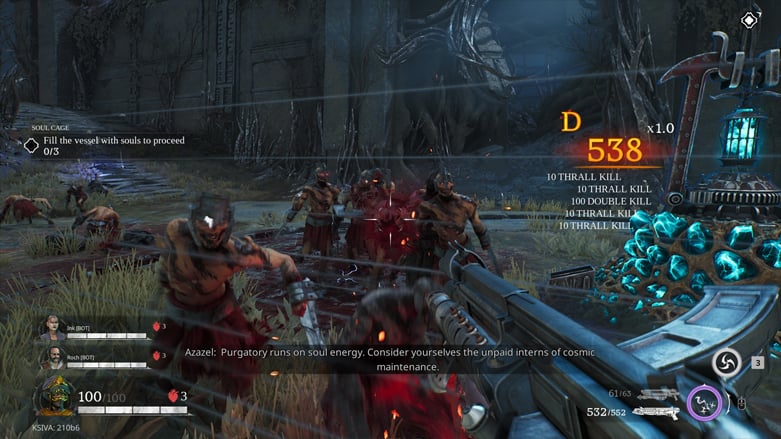
Instead, Painkiller is a co-op campaign shooter, where groups of three team up to fight through multiple shorter levels across three maps, collecting gold to buy permanent and less permanent upgrades along the way.
I would essentially compare Painkiller to Warhammer: Vermintide 2. It is a horde shooter where you move forward on small linear maps until eventually reaching short repetitive objectives, usually involving surviving waves of attacks, and then completing the mission as a group. Stronger enemies are mixed into hordes of easily slain fodder, and the end of each of the three campaigns places you against a boss.
While this certainly put off returning fans of the original, for new players, this change of gameplay style is not enough to dissuade purchase, and there is also a lot of good in what Painkiller has to offer.
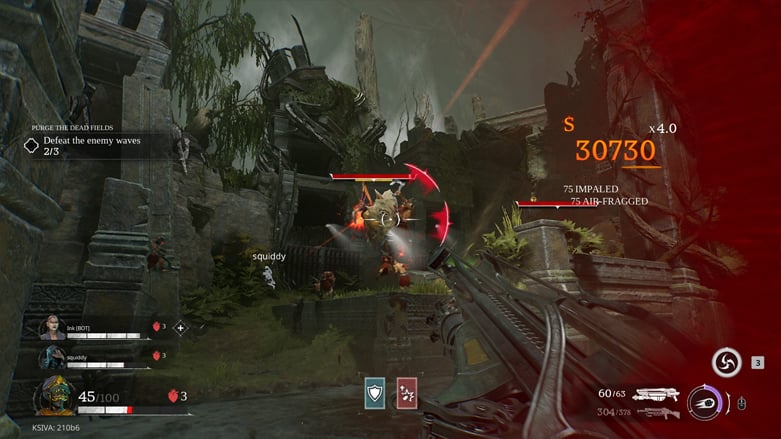
In particular, I was a fan of how the game handles gunplay. Where there are only seven guns present in the game, each one feels very unique and has a good upgrade tree that mutates how the firearm functions. The guns are not particularly hard to unlock, and you can have a well-customized favorite after one or two runs, with most or all unlocked by the time you finish all of them.
The level design is a little tight, but you move through them quickly, and mowing down hordes or special enemies is very satisfying, with great feedback from your guns and great death animations and physics to make killing feel impactful. The special enemy types are unique and are strong without feeling overbearing, even on the hardest difficulties.
The progression system, however, is a little lacking. There is not a lot to unlock, and what there is you can get fairly quickly. Instead, the game asks you to continue to spend in-game currency on one-time-use tarot card buffs, which are randomized. It feels like a gacha system for passive buffs, which is less than ideal or exciting in my opinion.
The characters are neat, but the game certainly has a sarcastic tone to its writing that not everyone will agree with. I saw one reviewer refer to it as “Marvel slop,” and while I would not call it that, it can be grating to hear constant quips and non-serious quotes from the player characters and NPCs. That alone will be polarizing for many players.
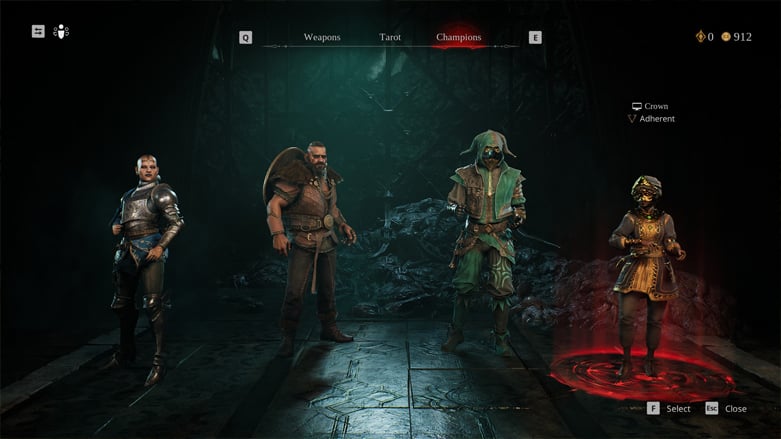
Painkiller also has a roguelike secondary mode, where you unlock different guns and upgrades in a roguelike fashion by progressing through the level. This mode is fine. It was not my favorite, but it is something to do when you complete the game’s rather short 5–7 hour campaign.
Unfortunately, the biggest issue with Painkiller is simply that there is not a lot of content present in the game. The arsenal, while diverse, is small, the campaign is short, there is not a lot to unlock, and enemy variety is very limited. It feels as though the developers were planning on Painkiller being a popular live-service game that would receive support and updates as time goes on, such as Vermintide and Darktide and other games it was clearly inspired by. While that may still be the case, it seems as though the game’s less-than-stellar reception might prevent that from happening.
Either way, if Painkiller has caught your interest, I recommend checking it out. If you’re a fan of the old series, it is going to be different, though perhaps familiar enough with its gunplay and enemies to win over your nostalgia and sell you on what is new. While the game lacks depth, there is still a chance it may have more to offer in the future, so long as curious players give it a chance.
The Final Word
Painkiller is an enjoyable experience, though one that varies greatly from what many fans were expecting it to be. The gunplay is fun, and in co-op the game can be a good time. However, it suffers from a lack of content and endgame, which may be made worse by the game’s dwindling player count
Try Hard Guides was provided a Steam code for this PC review of Painkiller. Find more detailed looks at popular and upcoming titles on our Game Reviews page! Painkiller is available on Steam, Xbox, and PlayStation.

Comments