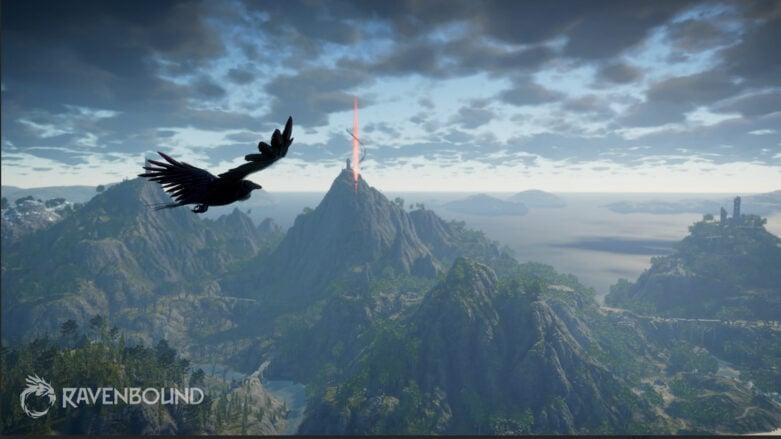
The Roguelike genre seems to have flooded with new releases in the last few years. This could easily be credited to the success of big hitters in the genre: Binding of Isaac, Hades, NOITA, Dead Estate and other incredibly successful titles have turned the word “Roguelike” from a relatively unknown niche phrase to a recognizable genre known for its unique and engaging design philosophy.
The Roguelike genre gains its namesake from the 1980 title Rogue, which featured procedurally generated dungeons that gave players a new maze to explore on each run. The theme of something different in every playthrough is what gave the genre its legs, and a staple design element of Roguelike games is taking on randomized levels over and over again, collecting different buffs or boons as you go and gaining permanent strength with each defeat.
Ravenbound is another entry in the Roguelike genre and proudly wears the genre’s label in its marketing. Where Ravenbound distinguishes itself from its peers is with its unique open-world setting.
Like other Roguelikes, Ravenbound has you retracing your steps, getting a little stronger each time your character dies and is reborn. What’s different is that Ravenbound features a totally open map, with a litany of different areas and hubs for you to visit as you see fit on each run, which deviates drastically from the typical Roguelike that sees you going down a randomized but linear path each time.
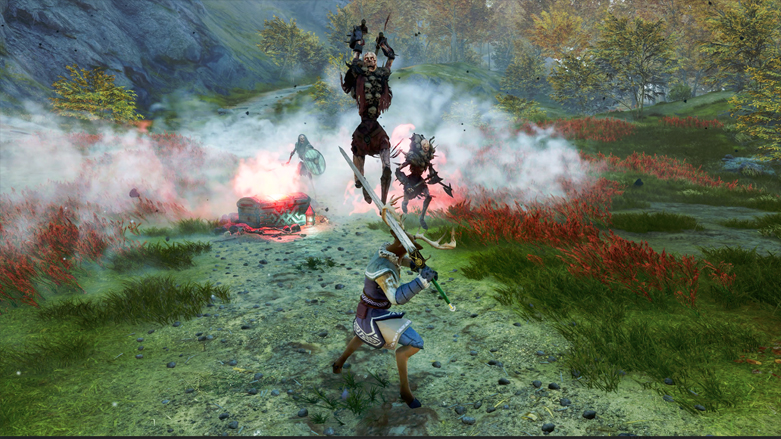
In Ravenbound, the option to follow said linear path is always there, with the final boss you must defeat waiting at the end of a trail of trials for your character to rush down if you’re feeling particularly brave or foolish. But you’re rewarded by exploring the vast world around you and defeating enemies (and taking their sweet, sweet loot) to empower yourself beforehand. The open-world nature of Ravenbound allows you to choose when, where, or what you choose to take on to empower your character for this run.
It’s not as simple as just clearing out every camp you can find, either. Some places are full of enemies that are simply too powerful for you to take on. While strategic fighting may help you take down these powerful foes for even more powerful rewards, you’re better off choosing your paths wisely and gaining strength over time. After all, there’s always your next run to think about.
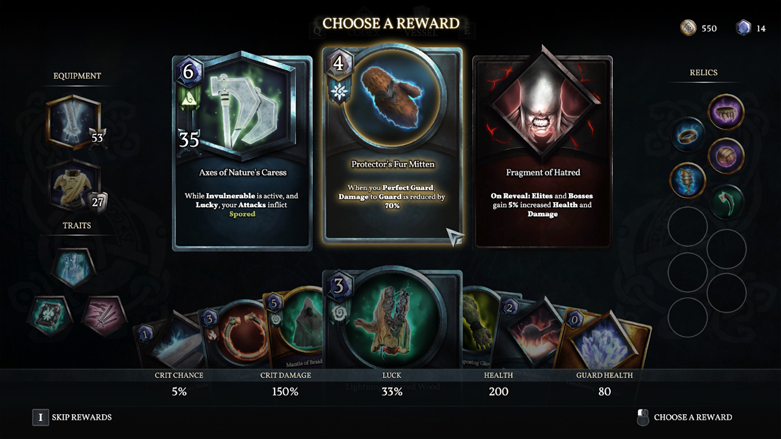
A big Roguelike element in Ravenbound comes in through cards, which you find in loot chests or by collecting the essence of your defeated foes. These cards offer you powerful buffs and abilities, such as the power to instantly turn into a bird to escape combat, and are randomized each time you acquire them, making each run and build truly unique.
Yes, you can turn into a bird in this game, which I personally found to be one of the coolest mechanics in any recent game I’ve played. It might not seem like much, but until you have the power to turn into a bird at will, you really wouldn’t understand.
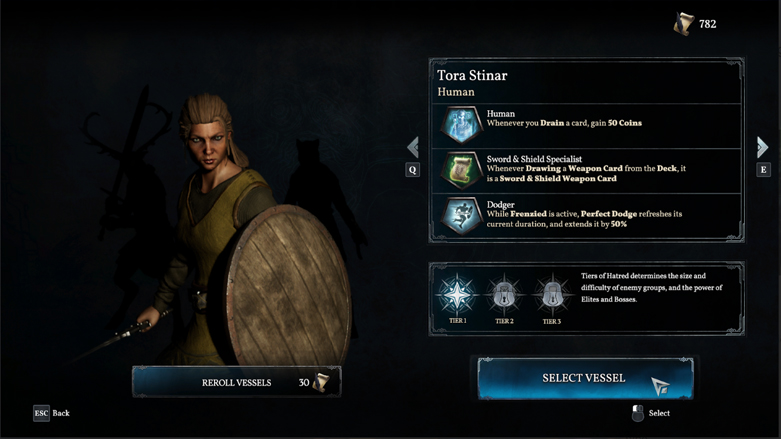
Another way the game offers a new experience each run is through Vessels. To actually interact with the world of Ávalt, you must possess a Vessel at the start of each run. Each Vessel is different, with their own personal combination of traits that change how you play the game, making each Vessel truly unique.
Occasionally, the Betrayer’s hatred will seep into the chests you find. These chests, which glow red, will offer you a red card, which is a curse that makes the world around you tougher to take on. I personally loved this little debuff system, and found that it made each run a little more exciting.
But who is the Betrayer, and why are we collecting cards to take them down?
The Betrayer is a powerful and hateful entity that sealed away the gods of Ávalt. As the Raven, a tool made by these imprisoned gods, you take control of Vessels and seek out the Betrayer, hoping to take them down no matter how many Vessels it takes.
Your goal in Ravenbound is ultimately to take down the Wardens in each area who guard the Ellri, whose blessing will help you take on the Betrayer. You only need three of the five blessings to take on the Betrayer, so it’s up to you which Wardens you choose to take on.
Ravenbound’s setting is another way in which the game departs from a lot on the market. Many might step into the game and see Draugr, Trolls, and a Raven-Spirit and assume this game is another take on Norse mythology. However, Ravenbound is decidedly separated from Aesir myths, and instead takes on the task of representing Scandinavian folklore.
There is no Odin, Loki, or Thor here, but an incredibly rich tapestry of legends and myths from Scandinavian history that creates an engaging, vibrantly dark fantasy setting.
Ravenbound’s enemies are as truly unique as its setting. I was absolutely blown away by the amount of enemy variety in the game, and just how bound to the world they felt.
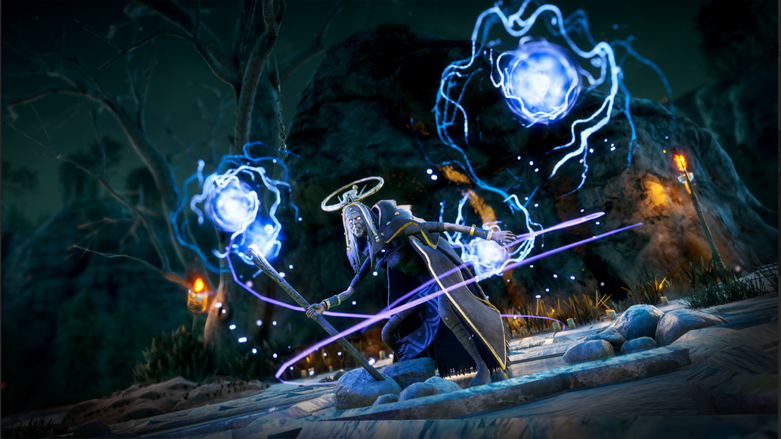
The weakest part of Ravenbound, to some, might be the combat. It is remarkably simple, taking on the form of jumping, blocking, regular attacks and power attacks. There’s nothing too fancy or flashy here, however, I found it more than served its purpose and kept me engaged, especially as I began taking on harder foes and collecting cards.
Not having any hard combat mechanics to learn might actually be good for the experience Ravenbound offers, as permadeath playing such a strong role in the game might make learning complex mechanics a punishing and painful experience. There is beauty in simplicity, and an exaggerated combat system is not something Ravenbound needs to shine.
The Final Word
On the surface, Ravenbound’s simple combat and dour setting might make the game look at bit bland, but what it offers is anything but. In a sea of Roguelikes, Ravenbound remains fresh and engaging and offers a unique experience that fans of the genre would be sore to miss.
Try Hard Guides was provided with a PC review copy of this game. Find more detailed looks at popular and upcoming titles in the Game Reviews section of our website! Ravenbound is available on Steam.

Comments