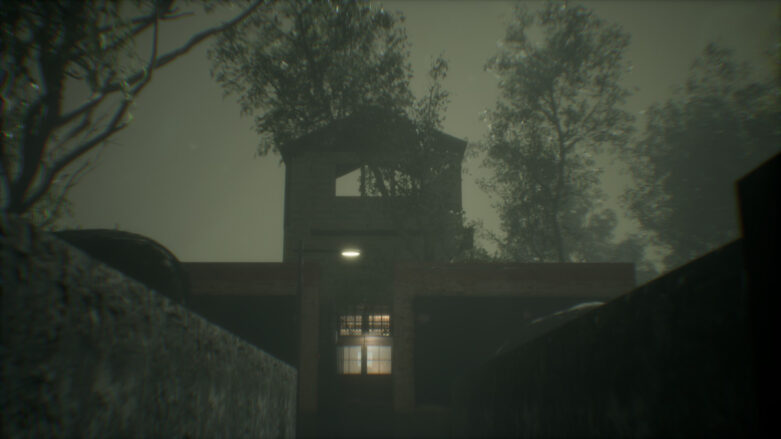
Though it has something of a controversial reputation among players, the Unreal Engine has been a revolutionary tool for indie game design, almost directly responsible for a boom in new titles developed by small or even solo teams in the last few years. In no genre is this more true than horror games, with almost every new horror title I’ve personally reviewed in the last couple of years being an indie game built in the engine. Visuals are especially important for horror games, and the engine’s power to deliver great visuals to small projects has seen an explosion in creative horror writers trying their hand at making their own games.
The 9th Charnel is one such title, delivering an incredibly good-looking game with an interesting story. The game has its own problems, but I feel like its negative review score on Steam is a bit unfair and misleading.
The 9th Charnel is a critically unappreciated indie title that takes players through an abandoned city-in-construction, one where the inhabitants seem to be utterly unable to escape or remember their lives outside. Along the way, you’ll face both monstrous survivors of the city, as well as echoes of grief and haunting memories that turn our protagonist’s own mind against him.
The story of The 9th Charnel was certainly one developed with passion, and it is without a doubt the strongest point of the game. It has its tropes for sure, but I found myself surprisingly interested in what it had to offer and didn’t always see where it was going.
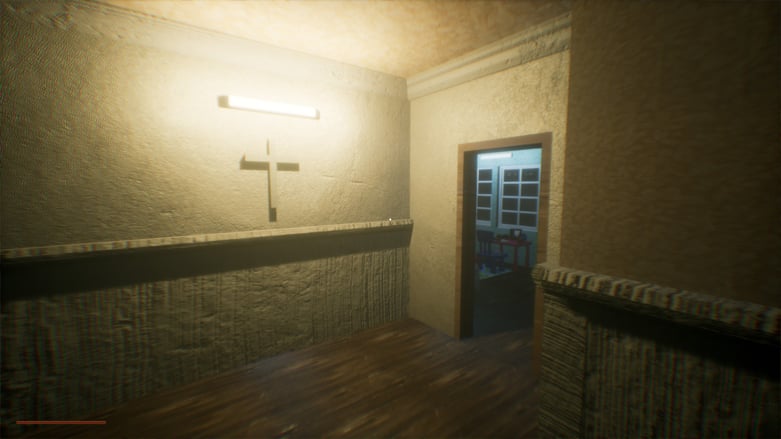
I had the feeling that The 9th Charnel was a story before it was a game, something that might surprise the reader to learn is often not the process in which these games are made. I could also tell that the game’s hard-working solo developer really wanted players to experience the story the game had to offer; The 9th Charnel features a surprising amount of cutscenes and dialogue segments for an indie game, none of which can be skipped.
Not that you should skip them, of course, as again they are vital to the story, and you can tell the developer worked hard on them. The lack of an option to skip them does feel like it can hinder the experience a little; however, what if, say, you wanted to start a new game and didn’t feel like skipping through one of the game’s prolonged dialogue segments again? It seems like an oversight and something that should be added to the game, just so the player has the option.
Speaking of changes I’d like to see to the game, about 30 minutes into the game, you’ll face a prolonged musical score with a screeching whine that just simply does not need to be there. It was less atmospheric and tension-filled, and more just annoying and painful to listen to. If you’re reading this, Saikat Deb, I would highly recommend removing this audio as soon as you can.
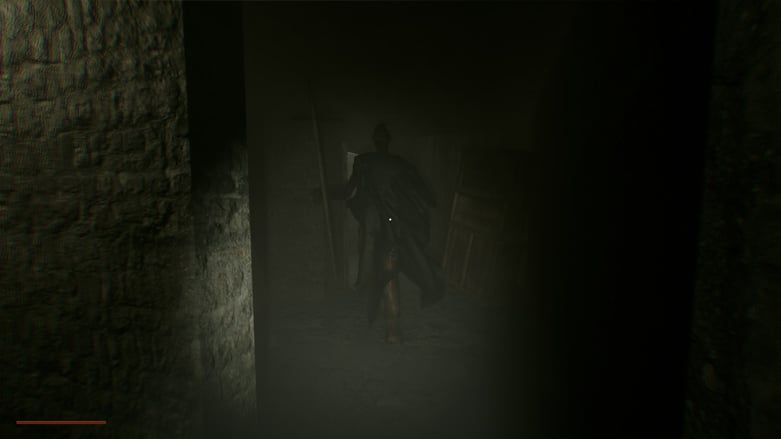
I also have to say that the game’s animations, especially when it came to facial animation, were kind of bad, to the point where it started to distract me from the game. It’s understandable, of course, that a game made by a solo developer can’t be perfect in every way, but with how much focus the game wants to put on its cutscenes and character animations to convey story and emotion, it’s not something I can ignore. Of course, I’ve seen worse, but it was still distracting.
On the other hand, and to my surprise, the game’s indie voice acting was really good. The actors were well chosen and did great jobs in their roles, not being nearly as distracting as the voice work in some other indie horror games I’ve played.
The 9th Charnel played like a puzzle game with some light action, highly inspired by the Resident Evil games. Outside of the story, much of the game’s heavy lifting is done by the graphics and set design, which are honestly pretty impressive. Some areas are better than others, noticeably so, but overall, the levels were nicely designed, and the puzzles took some time to solve without being obnoxiously hard. The game definitely managed to get some jumps out of me, without the scares feeling cheap or “jumpscarey,” and I found the monster designs to be good, if lacking a bit in variety.
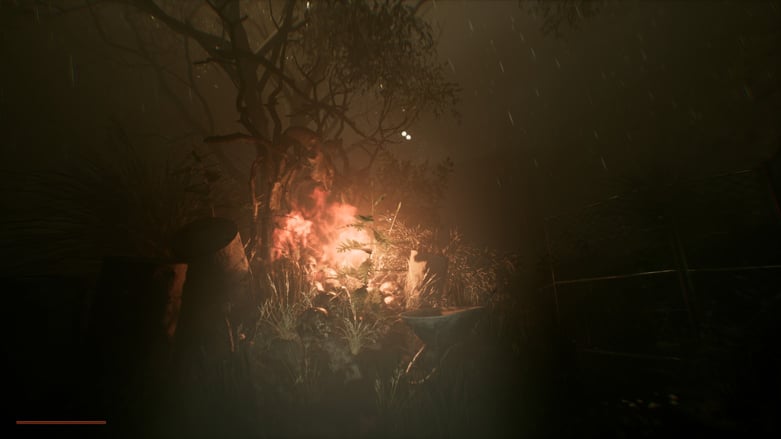
That being said, interacting with objects can at times be tricky, especially if it’s an object in a drawer or an interactable chest. I found myself more than a few times stuck because I tried to grab an object in, say, a sock drawer, only for the button to pick the object up to just close the drawer instead. When you’re being chased by a monster, this is more of a problem.
The 9th Charnel has a relatively high number of negative reviews on its Steam page, with only a small number of reviews total as of the writing of this review. I don’t usually do this, but I recommend that players ignore these reviews, as most don’t seem to have given the game much time. As for performance issues, I personally didn’t have problems running the game, but the Unreal Engine is notoriously unreliable from system to system, so I can’t speak to how well the game might run for you.
The Final Word
The 9th Charnel has its problems, but for an indie game made by a solo developer, I was overall pretty impressed by what it had to offer. Its story was interesting, and its visuals were nice; however, the game’s flawed animations, poor sound design in areas, and coin-flip performance may dissuade you from playing. It is, however, deserving of much more attention than it currently has.
Try Hard Guides was provided a Steam code for this PC review of The 9th Charnel. Find more detailed looks at popular and upcoming titles on our Game Reviews page! The 9th Charnel is available on Steam.

Comments