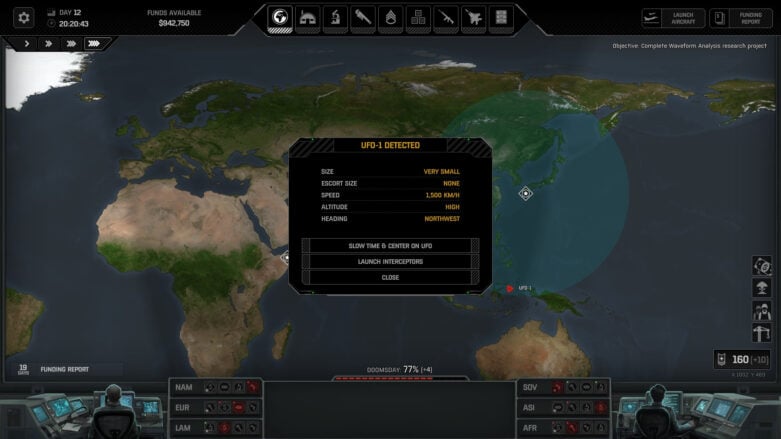
Xenonauts 2 is a spiritual successor to the old-school XCOM games: a slow, tactically minded, turn-based strategy game with a heavy focus on base building, squad development, and, above all else, planning. Rather than back-to-back combat missions, Xenonauts 2 plays far more like a global insurgency strategy game, where you fight guerrilla-style warfare against alien invaders and the human organizations they have manipulated into their service, all while fighting against a steadily ticking doomsday clock throughout the entire game.
I cannot tell you how Xenonauts 2 compares to the first game, because I never played it, but I can certainly tell you my impression of this sequel, which I dove into with curiosity, albeit with reservations at the same time.
If you have read my reviews, you will know I am not the biggest fan of XCOM-style turn-based strategy games. There are definitely elements I like about them: squad management and character progression being a big part of it, and other base-building or management systems also playing into my interest. It is really the combat style of classic XCOM and turn-based games that puts me off, especially the ever-so-dreaded hit-percentage mechanics.
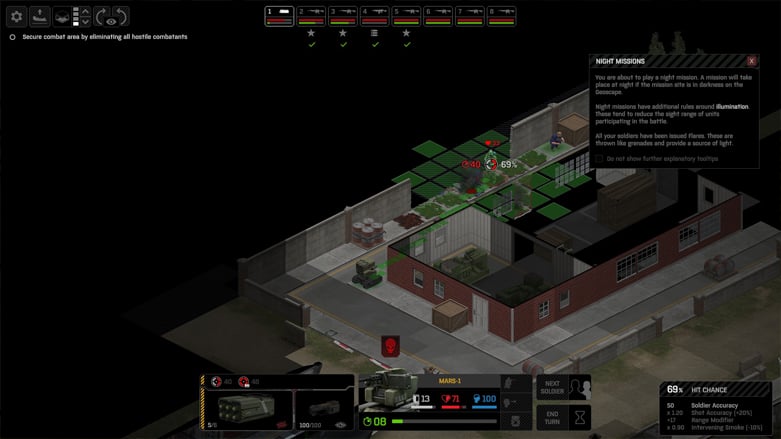
On the combat mechanics side of things, Xenonauts 2 is everything I personally do not like about the genre, but I know that genre fans appreciate. My impression of the combat was that it was incredibly slow and tactical, and it wanted you to really take your time to plan your approach on each turn. The use of fog of war, hefty movement costs, and overwatch fire mechanics are the biggest roadblocks to a faster or less careful experience.
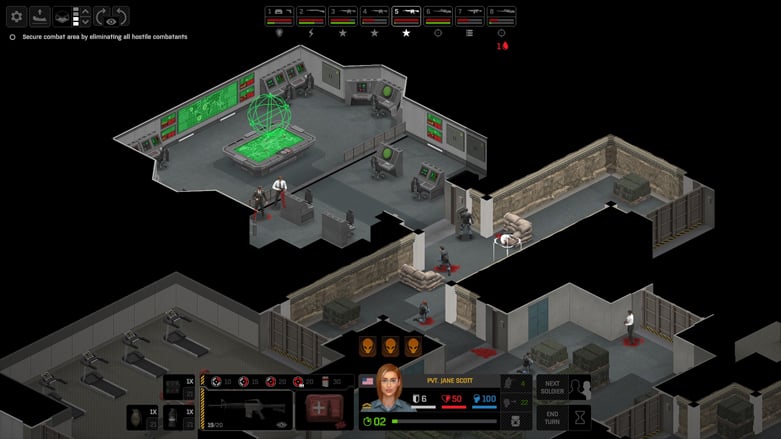
While I can see the tactical merit present in the game’s combat missions and how the developers chose to design the mechanics, I personally just felt like combat missions were painfully slow and usually pretty boring. The fog of war and movement mechanics were the biggest obstacles to my enjoyment of these systems: missions always involved charging my team into a relatively large map full of hidden enemies and hidden terrain, with hefty movement costs restricting my ability to make it toward enemies whose locations I did not know.
Though I tried to play tactically, watching my corners and moving my team as one, which was a difficult task considering how the game’s pathing mechanics account for having teammates in your way, missions often devolved into a frustrating game of hide-and-seek where I would sometimes spend turn after turn just wandering into the dark trying to find the single last enemy, sometimes even getting shot from the fog of war with no indication of where they were.
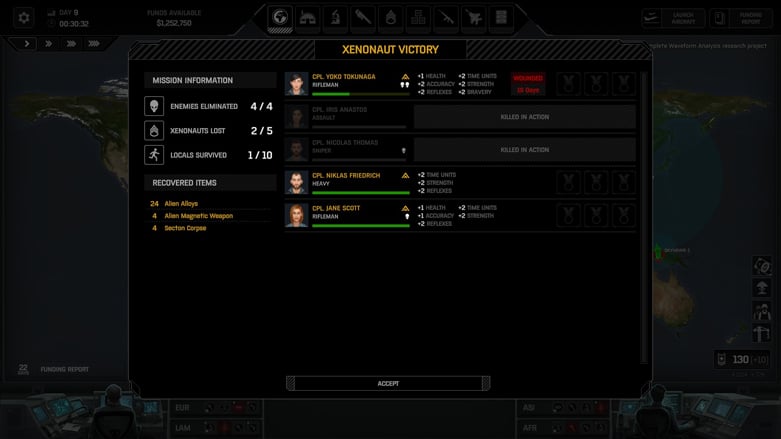
That being said, I can see how an incredibly tactically minded player would find enjoyment in the combat of Xenonauts 2. While I would personally make changes to the fog of war and action points systems, particularly something that gives you more direction toward actual enemy locations, the risk-reward factors are clearly present in a system that punishes you for moving too quickly into the fray. If modern XCOM games are not tactically deep or strategically demanding enough for you, you will probably get some enjoyment out of Xenonauts 2.
Squad management and base building were also interesting, if underutilized, elements of Xenonauts 2 that did not capture my attention quite the way I would have liked. I wish particular systems, like managing and equipping squad members themselves, went a bit deeper than they do in the game. Instead, Xenonauts 2 spreads this complexity across multiple areas, including customizing aircraft and combat machines. The aircraft customization is particularly interesting in theory, but the aircraft segments in the game were so uninteresting to me, personally, that I often ended up auto-resolving them anyway, which is something I imagine the developers predicted would happen a lot, since these are the only sections in the game that you can auto-resolve.
The best part of Xenonauts 2 is, by far, the campaign system, which uses an interesting ticking-clock mechanic that you fight against, almost similar to the game Plague Inc. While a lot of this segment is basic management and waiting around, it becomes far more involved the further you get into the game, with missions starting to pop up more frequently as you manage bases you construct hex by hex across the entire world map.
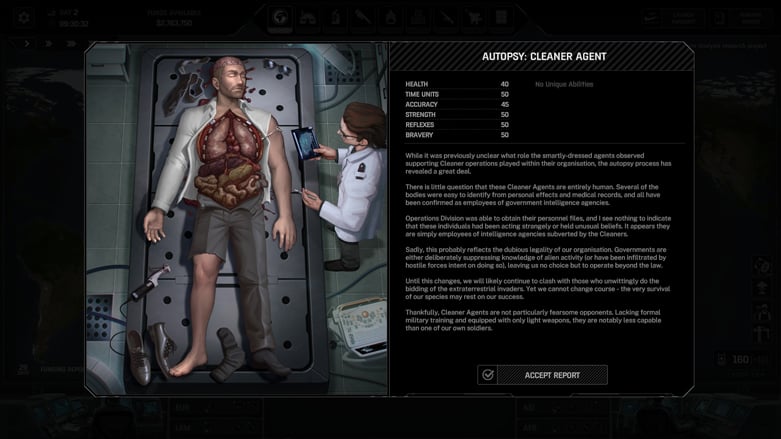
The lore that comes up from completing missions is also very interesting, and probably the part of the game that held my interest the longest. I was deeply intrigued whenever one of these little pop-ups would show up, feeling like there was an actual sense of discovery and progression happening as I succeeded in my fight to prevent the takeover of Earth.
There is a lot in Xenonauts 2 that did not quite hit the mark for me, and I think for a general turn-based audience, it might not hit the mark with them either. However, I can definitely see the appeal the game will have for a very specific crowd: those who like games that require them to take their time, plan far ahead, and execute maneuvers with pinpoint accuracy, with fatal consequences for failure. For a very tactically minded player base, those who like games that challenge them to think and take things slow, and especially fans of the older XCOM games, Xenonauts 2 has a ton to offer and is well worth the price of entry.
The Final Word
Though I personally found the combat slow, punishing for the wrong reasons, and the customization a bit shallower than I would have liked, I can certainly see the appeal in Xenonauts 2, particularly for those wanting a tactically demanding, strategy-heavy game reminiscent of classic XCOM with some great lore.
Try Hard Guides was provided a Steam code for this PC review of Xenonauts 2. Find more detailed looks at popular and upcoming titles on our Game Reviews page! Xenonauts 2 is available on Steam and GOG.

Comments