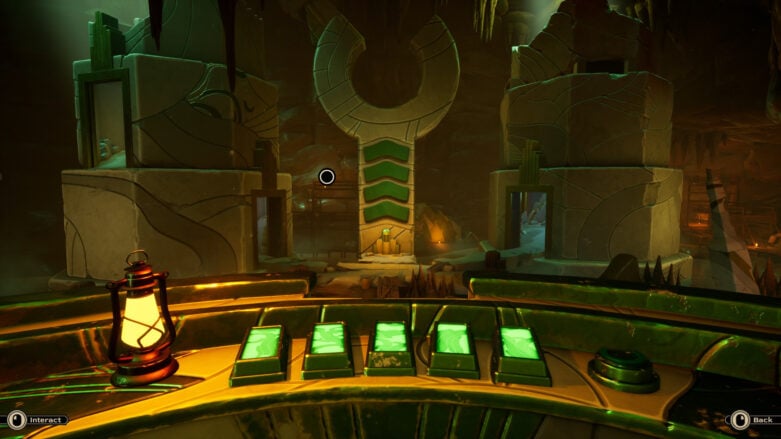
Call of the Elder Gods is a title that defied my expectations. Going into it, I expected many of the hallmarks of the Lovecraftian game scene: horror, depressing themes, storytelling, and familiar tropes beloved by fans of the late author’s unique worldbuilding. While some of these do make it into the game, what I was surprised to see was a tone that defied the typical Lovecraftian setting in some areas while mastering its principles in others. It came together to make a game that is utterly different from anything else in its genre, and yet one that celebrates it entirely. It’s a unique experience that may polarize some fans of Lovecraftian myths, but I think it is one that most will enjoy for its unique flair, combined with its understanding of what truly makes the genre work so well.
If you’re unaware, Call of the Elder Gods is a narrative-driven puzzle adventure game and a sequel to Call of the Sea. While you don’t necessarily need to have played the latter to enjoy the former, doing so will give you some context for the characters, and some major plot points do reference your decisions made in the first game.
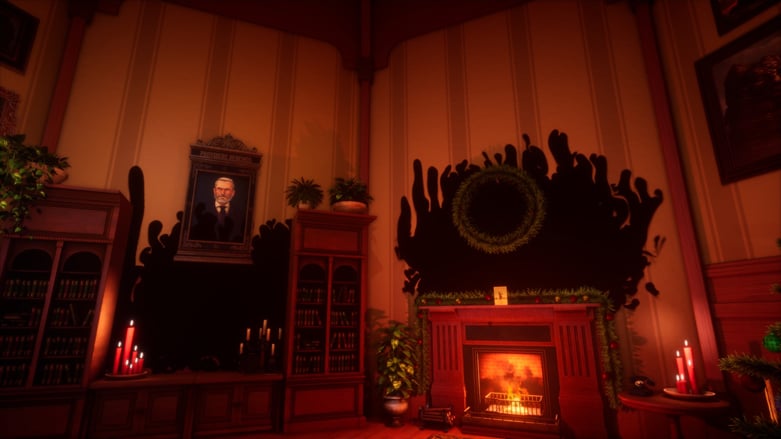
Mechanically, Call of the Elder Gods is very simple. You control one of two protagonists in the first person, navigate a confined level, and solve puzzles by interacting with them. It’s pretty typical of the horror genre, lacking any flashy mechanics in favor of a lightly interactive, narrative-focused adventure. Most of the difficulty comes from using your brain to solve some pretty well-thought-out puzzles, and there are hints available if you get stuck.
What is very atypical of the horror genre and of Lovecraftian games is the tone Call of the Elder Gods goes for. Rather than being a narrative focused on overwhelming dread and cheap jump scares to build tension, the game goes for more of a forbidden-mystery vibe, placing greater emphasis, in my opinion, on a sense of wonder and discovery. There is still an overall cosmic horror in the mysteries you solve, but you still feel compelled to solve them, and rarely does it feel like you’re being pushed by anything other than curiosity or obsession.
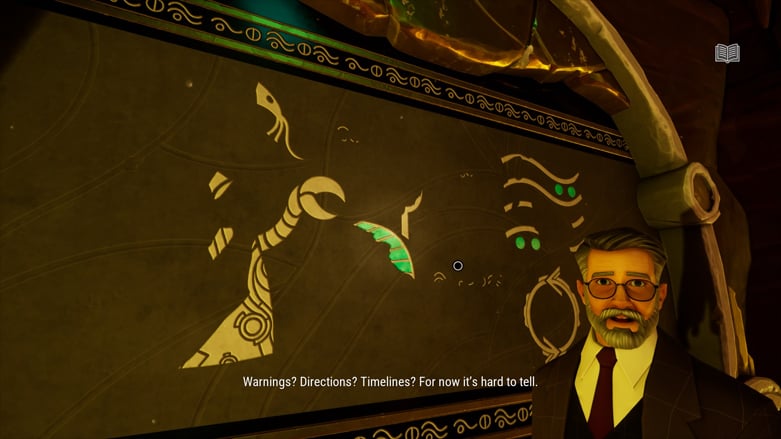
The game locks into the Lovecraftian themes of being compelled by an unknown cosmic mystery incredibly well: characters are plagued by corrupted dreams, strange visions, and episodes of amnesia, and they feel driven by an overwhelming need to understand something that they would be better off leaving alone.
While the game does Lovecraftian themes very well, I would say it also feels very akin to Indiana Jones. There is a lightheartedness mixed in with the darker narrative that keeps you invested in the mystery without undercutting the tension. I struggle to find the words to describe the game’s exact tone, but it’s one where you don’t blame the protagonist for wanting to discover the answers she is so keen on searching for. You don’t feel like she’s selfishly hurting those around her for starting this adventure, even if the consequences unveiled later raise the stakes.
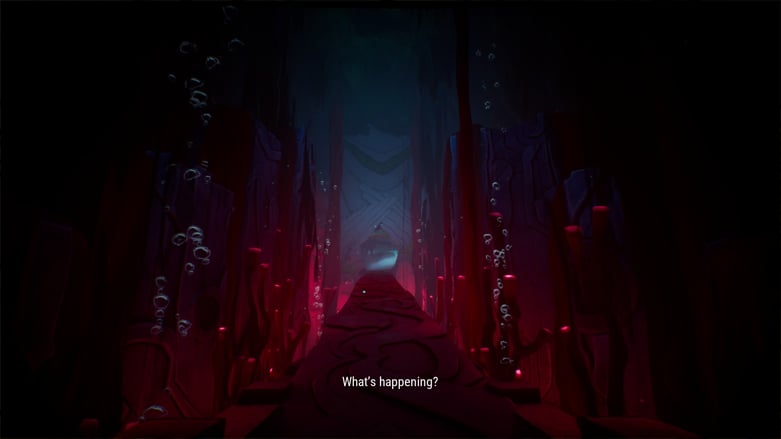
It’s very unique, but I can understand why certain fans of Lovecraftian fiction might find this somewhat lighter, Indiana Jones-like sense of wonder to be different from what they’re used to. I still think it works for the genre, but the more hopeful, at times, narrative can feel alien to those who are less into the themes of mystery and obsessive discovery within cosmic horror and more into the parts where fish-people stab those doing the discovering.
The writing may also feel like a departure for fans of other Lovecraftian games and might not mesh well with them. The use of a narrator is a unique approach, but at times, she feels like a tool for dumping exposition on the player rather than an interesting storytelling device. The game also takes a more humorous approach to its writing, at times slipping in little jokes and character-driven comedy. This fits in with the overall tone I was discussing earlier, and again, while I think it works, some fans of the genre might not be too interested in this change of pace.
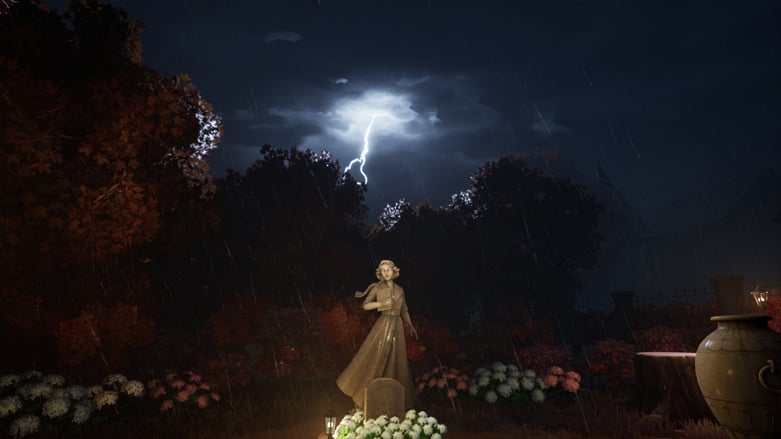
The art style only further emphasizes said change of pace and the unique approach Call of the Elder Gods takes to Lovecraftian fiction. It’s cartoony, not overly colorful, but more so than many other games in the genre, and is certainly a departure from a lot of hyper-realistic games within it. It looks like a comic book and doesn’t shy away from this art direction at all, to a point where I think many players would find it hard to call the visuals “scary.” Again, however, the game doesn’t want to be “scary”; it wants to be compelling in its narrative, engaging with its mystery and sense of discovery, and it uses Lovecraftian themes in a more thriller-oriented direction than outright horror.
Overall, Call of the Elder Gods is a pretty good game and an interesting take on its genre. It uses familiar themes incredibly well while using a more lighthearted focus that doesn’t destroy the tension. If you’re a fan of Lovecraftian narratives and games based around them, Call of the Elder Gods is certain to stand out. For some fans, it might stand out a bit too much, but I think its unique approach works really well, and I highly recommend you give the game a try if it’s caught your attention, or worse, managed to find its way into your dreams and hallucinations.
The Final Word
Call of the Elder Gods is an excellent narrative-driven puzzle game that masters familiar Lovecraftian themes while taking its own, unique approach to the tone of the story. It may feel different to fans of games based on Lovecraft’s work, but I think the changes work incredibly well, and this unique approach is worth giving a try yourself.
Try Hard Guides was provided with a Steam code for this PC review of Call of the Elder Gods. Find more detailed looks at popular and upcoming titles on our Game Reviews page! Call of the Elder Gods is available on Steam, Nintendo Switch, PlayStation, and Xbox.

Comments