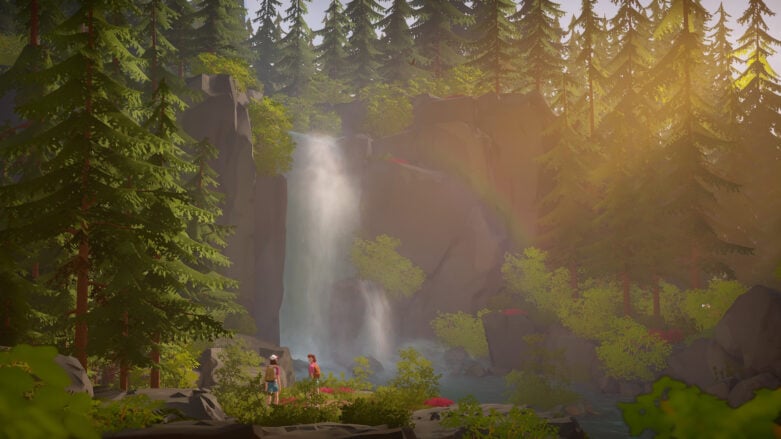
Growing older is… hard. Even at the relatively young age of 28 (at the time of writing this review), I can tell you that I look back on the years behind me with both regret and nostalgia. There are moments you wish you could stay in forever, mistakes you wish you could undo, love both cherished and lost. What is even harder to deal with are the memories that begin to fade, like whispers of a time or place you desperately wish you could see or hear more clearly. The passing of time is a universal experience, one that is simultaneously beautiful and tragic, and that beauty and that tragedy only compound with age.
This is the central theme explored in Forever Ago, a heart-wrenching interactive story. It follows protagonist Alfred in the twilight years of his life, not long after the tragic passing of his wife, as he retraces old memories and chases long-forgotten experiences as part of her dying wish. Although many of these memories were shared around a camera and captured in photos, Alfred’s recollection of many of them is beginning to fade—a beautifully sick irony.
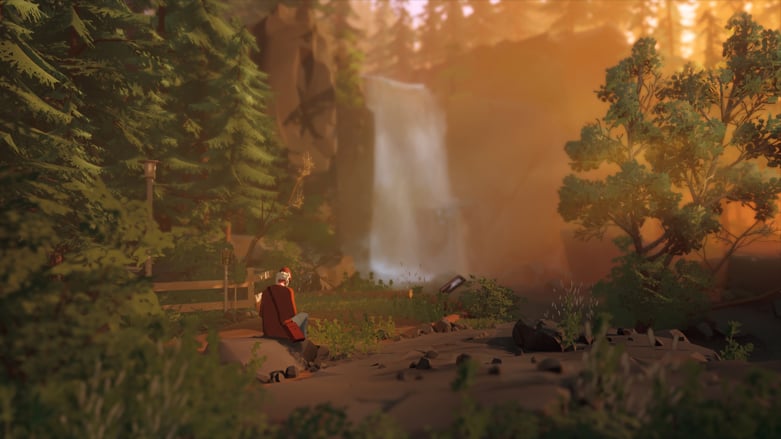
Throughout my playthrough of Forever Ago, I just couldn’t get over how fantastic the voice cast was. Good voice acting matters in any story-based game, especially one that wants to drive home the characters and emotions in Forever Ago, but I wasn’t prepared for the incredible performance this game’s cast delivered. Casey Jones and Piotr Michael deliver fantastic performances as the young Audrey and Alfred, but the most phenomenal voice, in my opinion, is the older Alfred’s player, whose name I’m ashamed to admit I don’t recall from the end credits. I think I even heard Daniel Amerman’s voice in an earlier segment.
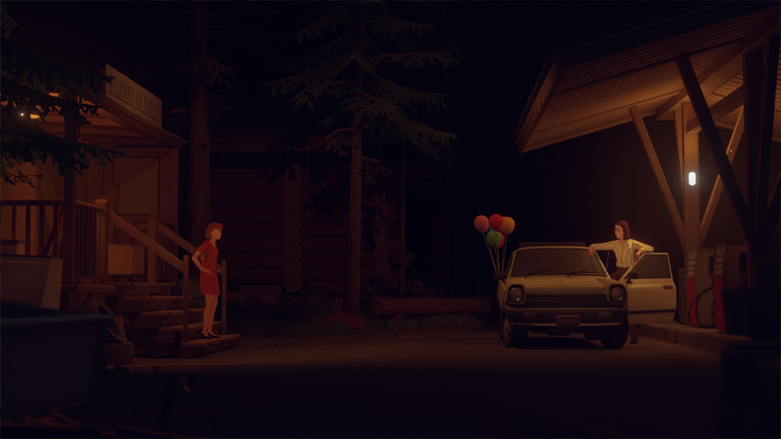
As recognizable and impressive as the voice talent is, the game’s art direction is just as good. Though its three-dimensional nature may make it harder to notice at first, the game has a look unmistakably inspired by the cartoons of the 60s and 70s. You can see it best in the eyes and jawlines, with certain characters looking like they could have been featured right alongside the original Scooby gang on Saturday mornings. It makes the world feel nostalgic and comfortable, and gives the characters a familiar and cartoony look that doesn’t betray a real, human element.
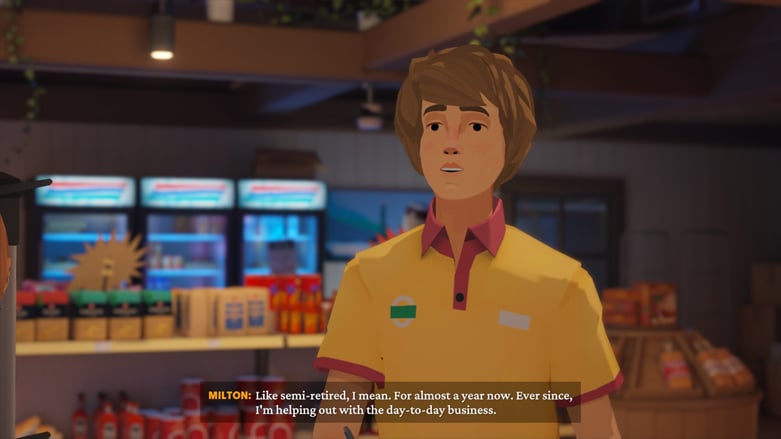
This art style isn’t just nostalgic; it feels purposefully chosen to immerse you in Alfred’s shoes, a man whose best memories are from the late 70s.
If you’re going to appreciate Forever Ago, you need to understand exactly what it is.
Forever Ago is what I would describe as an interactive novella or story experience: The game has a narrative it wants you to experience, and it is a beautiful, heart-wrenching one at that. The writing is phenomenal, the characters are great, and, at the risk of repeating myself, the whole thing is greatly elevated by the incredible voice talent.
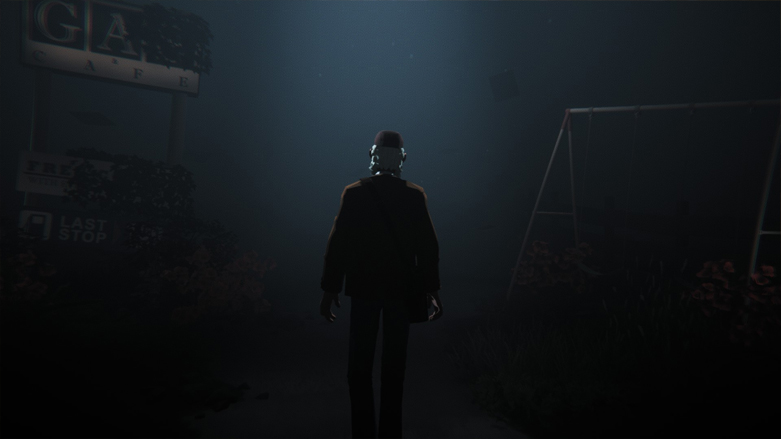
However, there is relatively little gameplay to match that story. The game is really designed to present you with that narrative and give you very few chances to stray away from it: Most of what you, the player, have the ability to do is to walk around the areas provided to you and interact with objects to either progress the story or learn a bit more about the setting and characters by triggering dialogue.
The game has a camera, which is used both to take photos as you please and as a puzzle-solving tool. While the puzzles add some much-needed player input to an otherwise very linear, on-rails experience, I think a few of them could have been more thoughtfully designed. At least for me, many of these puzzles just led me to click on everything I could see until Alfred started talking and the story began to progress. Of course, I’m not very good at puzzles, which could be a large reason as to why this was the case. This is also my biggest, and probably only real, criticism of the title, which I otherwise greatly appreciated.
The game’s photo mechanic is more than a fun minigame meant to help players connect further to the journey. At the end of each segment, you’re given the chance to choose from the photos you’ve taken and fill them into predetermined spots in the book prepared for you by your late wife. I can’t express how utterly guilty I felt the first time one of these segments popped up and I had woefully too few pictures to fill the book. It instantly made me feel regret, like I didn’t appreciate the game enough in the moment… A very obvious nod towards the game’s broader themes.
If you’re going to check out Forever Ago, understand first what it is. It is a narrative experience, one with an excellent story, incredible characters, and some of the best voice acting I’ve experienced in a game in a while. Understanding that this is not a “gameplay” heavy game, you should only check out Forever Ago if you are in it to experience the story it has to tell.
For what it is, Forever Ago is incredible, providing one of the most heart-wrenching, thoughtfully written stories I’ve experienced in a while. Everything about this narrative experience is golden, from the writing to the characters to the incredible voice actors who bring them to life. If you’re looking to experience a story and you don’t mind it bringing you to tears (it certainly made me cry), then I cannot recommend Forever Ago enough.
The Final Word
Forever Ago moved me in ways that are hard to describe: the game’s themes of loss, regret, hope, and courage resonate deeply and are presented through a phenomenal cast of voice talent. If narrative-driven experiences are your thing, this is a title you absolutely cannot afford to miss out on.
Try Hard Guides was provided with a Steam code for this PC review of Forever Ago. Find more detailed looks at popular and upcoming titles on our Game Reviews page! Forever Ago is available on Steam, PlayStation, and Xbox.

Comments