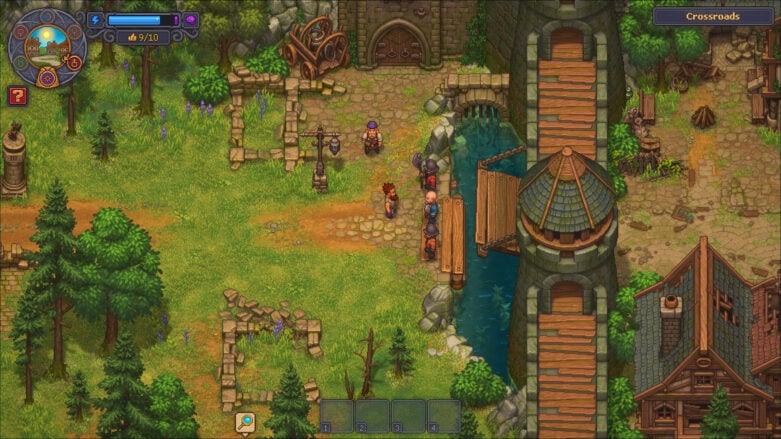
Graveyard Keeper 2 takes the cozy farming simulation genre and flips it on its head, delivering a game full of dark humor and darker tasks as you receive, prep, and sometimes mutilate the bodies of villagers awaiting burial. This fantasy isekai title delivers both hopeful moments and relaxing cultivation, as well as some of the most gruesome crimes I’ve seen in video gaming, and does so with equal charm and enthusiasm.
As the title suggests, you find yourself the new keeper of a graveyard, as well as the temple and inquisitorial manor connected to it. Assigned this task in order to win over the goodwill of a local town, it is your job to prepare and bury the dead, restore the grounds, and handle construction projects ranging from the mundane to the complex. However, with a zombie horde just outside the town’s gate and a wealth of opportunity awaiting you in your alchemical lab, you may find yourself turning to shadier methods to acquire materials and improve your estate, especially with all the fresh bodies arriving at your doorstep. After all, the dead won’t miss their teeth, hearts, or bone marrow, will they?
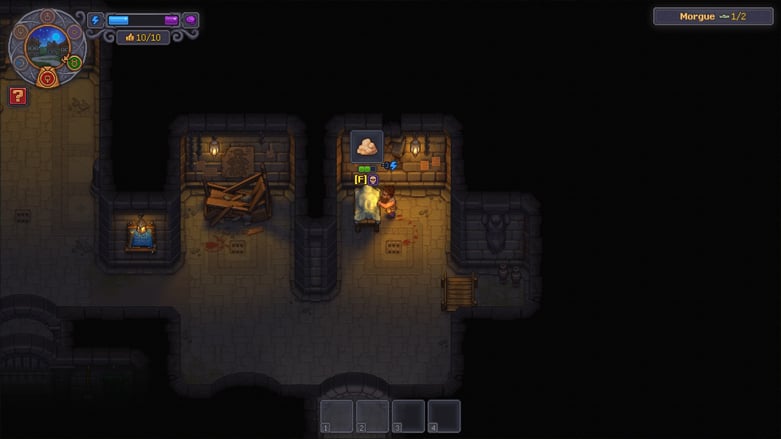
The concept of Graveyard Keeper 2 alone is something that really stands out in its genre. I didn’t play the first game, but I have to assume it was just as creepy and casually depraved. Desecrating the dead is no simple thing, and I found myself with a gleefully disturbed smile on my face every time the game encouraged me to rip the skin or bones out of a fresh corpse in order to brew some potion or make farming slightly easier.
The fun concept goes hand in hand with the game’s great take on the genre’s familiar gameplay, which shouldn’t be new to those already familiar with farming sims, but which includes some great quality-of-life changes.
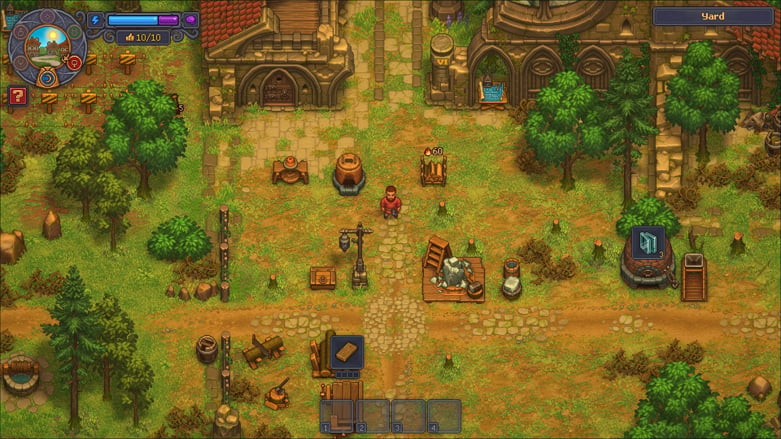
For example, the energy system. While other games in the genre also have this mechanic, Graveyard Keeper 2 does not automatically end your night at a certain time. You can keep going for as long as you can refill your energy, eventually receiving a penalty to action costs for doing so. I felt in Graveyard Keeper 2 that I was only going to bed when I had to, when the work I was doing was done, or when I absolutely needed to take a break, whereas in other games in the genre I often feel as though my activities are cut short and walking back to my bed becomes tedious.
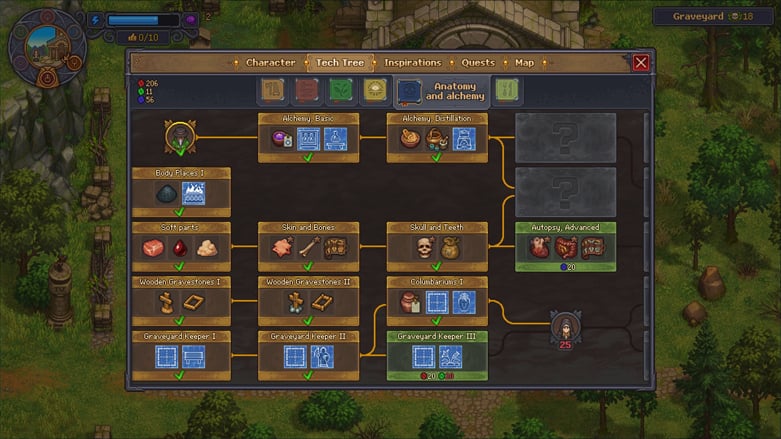
I also quite enjoy the game’s experience system, which rewards you with different experience currencies for performing actions throughout the game. These are then traded for new unlockable recipes, and while some of these are locked behind completing quests for the townsfolk, it more or less feels like the game organically advances as you work. I never really felt like I was being gatekept from progressing because I was making progress faster than the game wanted me to, and I felt like the chores I did had immediate, tangible rewards beyond just their use in a production chain.
One small nitpick I had with Graveyard Keeper 2, albeit one that haunted me for my entire playthrough, is the fact that equipping a set of armor doesn’t actually change the appearance of the Keeper. I noticed this early on in the game, where for story reasons you are given a set of iron armor that you get to keep for the rest of the game. Equipping it does not change your appearance, even though immediately after doing so they change his sprite to be armored for a cutscene and combat minigame. I don’t see why the game goes through the extra trouble of taking him back out of the armor, except maybe to depict his day-to-day life as being unarmored. I’ve worn a suit of armor before, so I understand not wanting to wear it as you go about your chores, but the fact that you keep the armor equipped in your inventory and get the benefits without it physically showing up on your model is just… oddly infuriating. At least to me, a nerd who loves the way medieval armor looks and plays roleplaying games with plate armor even when it doesn’t fit my character’s class or serve any real practical purpose.
Not just that, but I was also underwhelmed by the game’s social systems. NPCs exist essentially just to continue the story, give you quests, or trade with you, with no meaningful interactions beyond that, despite that being a genre staple. I also didn’t find many of the characters to be all that likable. Everyone in the game is essentially a little mean or a little stupid, which is clearly meant to fit the game’s slightly comedic tone. Without a reason to really invest yourself in the lives of the NPCs, however, I sort of just ended up feeling isolated in my graveyard and felt like there was little reason to do anything but constantly work toward tech progression. With no reason to win over any NPCs, they were, again, essentially just nodes to get quests from so I could keep going.
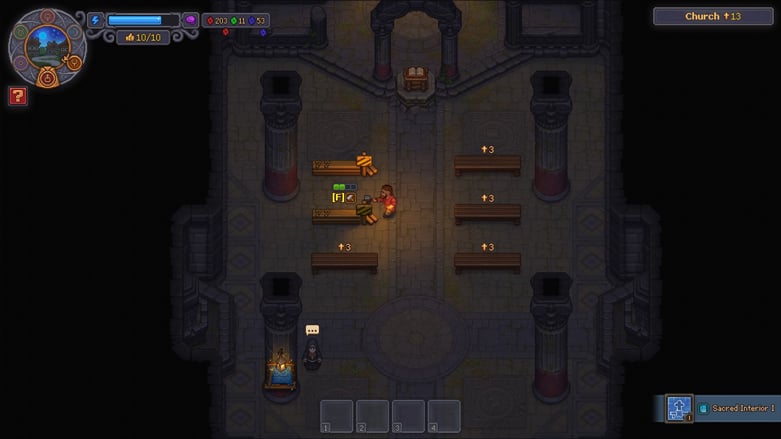
I have other issues with the game, mainly revolving around how it handles stored resources and the lack of base-wide crafting from chests, but these are issues that are prevalent throughout most of the entire genre and don’t really stop you from enjoying the game.
As you can see, my complaints with Graveyard Keeper 2 are minor and subjective. Overall, I was very impressed by the title, which delivers familiar genre gameplay with solid quality-of-life changes and an excellent, darkly humorous theme. I highly recommend picking the game up, especially if you’re a fan of the farming sim genre, as it gives titans like Stardew Valley a run for their money.
The Final Word
Graveyard Keeper 2 is perhaps one of the most interesting titles in its genre, delivering an incredibly unique premise, a story full of dark comedy and familiar, genre-beloved gameplay with some great quality-of-life changes. Fans of cozy life sims are bound to enjoy this cozy death sim, and all of the relaxing depravity that comes with it.
Try Hard Guides was provided with a Steam code for this PC review of Graveyard Keeper 2. Find more detailed looks at popular and upcoming titles on our Game Reviews page! Graveyard Keeper 2 is available on Steam, Xbox, PlayStation, and Nintendo Switch.

Comments